ALTITUDE CHECK-IN | OPINION
Hotel Safety Begins at Reception
Why staff must do more to protect guests.

A hotel room should feel private, secure and entirely your own. Yet that sense of safety can be compromised before a guest even reaches the lift.
Recent reports of hotel staff providing room access to unauthorised people have raised serious questions about how consistently hotels protect those in their care. These are not minor service failures. When access controls fail, the consequences can be frightening — and, in some cases, devastating.
Guest safety cannot be treated as another step in the check-in script. It must be understood, practised and reinforced as part of the culture of hospitality.
Disclaimer: This article reflects my personal experiences and opinions on hotel guest safety, alongside publicly reported incidents. Hotel policies, technology and procedures vary. Any immediate safety concern should be reported directly to hotel management, the police or the appropriate emergency service.
This Is a Safeguarding Issue — Not Simply Customer Service
Two publicly reported cases demonstrate why decisions made at reception must be treated as matters of guest protection rather than routine administration.
REPORTED CASE | MARCH 2026
Sky News reported that staff at a Travelodge in Maidenhead gave a man access to a woman’s room after he obtained her key by deception. He sexually assaulted her while she slept and was subsequently sentenced to seven-and-a-half years in prison.
The hotel group apologised, strengthened its room-access policy, introduced further training and commissioned an independent review.
REPORTED CASE | MAY 2026
ITV News reported the experience of a woman who said a man who had harassed her was able to obtain a key card without the necessary checks and enter her hotel room while she was undressed.
Travelodge said its room-access policies had not been followed correctly at the time and described changes to security, escalation procedures and staff training.
The circumstances and consequences of these cases are far more serious than my own experience. They should not be conflated. What connects them is the importance of decisions made at reception — decisions that can either reinforce a guest’s security or weaken it.
When Check-In Does Not Feel Safe
I was recently checking into a well-known hotel at Heathrow when the receptionist asked to see my identification. He explained that the hotel required it to help keep guests safe.
Perfectly reasonable.
As the check-in continued, however, a family approached the desk and gathered closely beside me. They were strangers and had no connection to my booking. I told the receptionist that I felt uncomfortable with other people standing so close while my personal information was being discussed.
There was no meaningful response. He then prepared to say my room number aloud.
I stopped him.
The contradiction was difficult to ignore. Identification had been requested in the name of security only moments earlier, yet discretion around my room location appeared considerably less important.
Nothing criminal occurred, and I was not suggesting that the family intended any harm. The issue was that I had clearly expressed discomfort and the person responsible for managing the interaction did not adjust it.
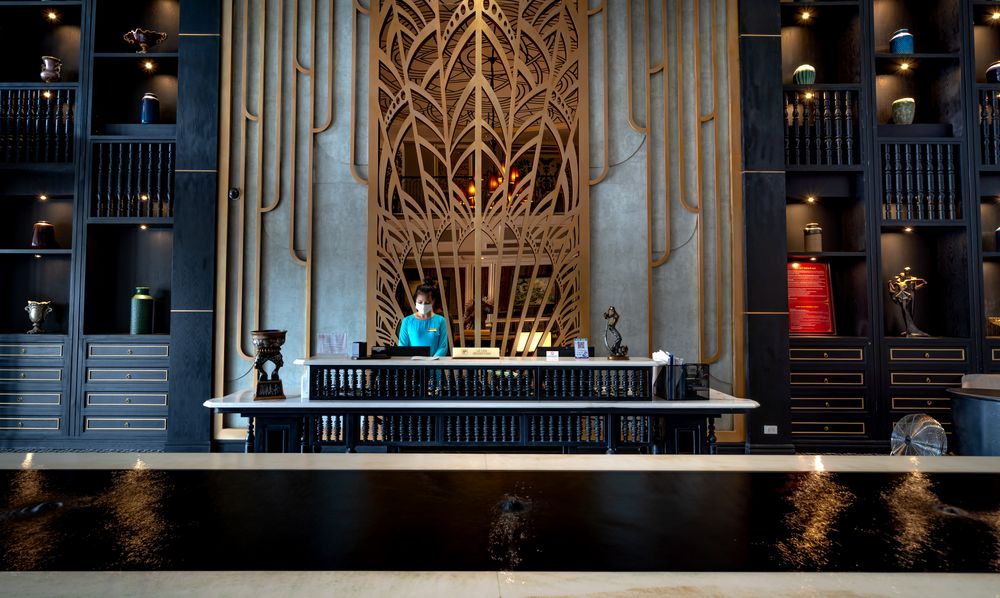
Safety procedures mean little if staff do not understand why they exist.
The Difference Awareness Makes
At another hotel, the same stage of the arrival experience was handled entirely differently.
Rather than announcing my room details at a busy reception desk, a member of staff guided me towards the lifts. Once we were away from other guests, they discreetly told me my room number and explained where I needed to go. They also offered to accompany me to the room.
I did not need them to, but the offer mattered. It communicated awareness without creating alarm and care without becoming intrusive.
Technology played no part in that interaction. What made the difference was judgement. One arrival left me feeling exposed. The other made me feel looked after. That is the distinction hotels should be training for.
THE RECEPTION STANDARD
What Reception Teams Must Get Right
- Protect room details. Point to the number, write it down or communicate it discreetly.
- Create privacy at the desk. Politely ask other guests to wait at an appropriate distance.
- Verify every key request. Familiarity, confidence or a plausible story must never replace the approved process.
- Protect guest presence. Never confirm that somebody is staying at the hotel or disclose their room without appropriate consent.
- Listen to discomfort. Staff do not need proof of danger before taking a proportionate step.
- Escalate and record concerns. Harassment, suspicious behaviour and attempted access require a clear response and effective handover.
Technology Can Support Safety — Not Own It
Online check-in, digital keys and secure in-app communication can reduce unnecessary exchanges of personal information. Modern access systems can also create clearer records of when keys are issued and used.
Those tools are valuable, but they are not a substitute for judgement. A digital key can still be sent to the wrong person. A replacement card can still be created without adequate checks. A sophisticated system can still be undermined by somebody who treats procedure as optional.
Hotels can invest heavily in locks, surveillance and access technology. If a person behind the reception desk can override those protections without appropriate verification, the system has already failed.
Safety Must Be Part of the Culture
Hotel safety is often discussed through physical measures: locks, cameras, lighting, security patrols and emergency procedures. Each matters. Yet safety is also shaped by dozens of quieter decisions made by people throughout a guest’s stay.
It is the receptionist who lowers their voice when discussing personal details. The colleague who notices somebody following a guest towards the lifts. The manager who takes a concern seriously. The night team that refuses to issue a key simply because an explanation sounds convincing.
Policies establish the standard. Training explains it. Leadership must ensure that it is followed when reception is busy, the queue is growing and the easiest response would be to move quickly.
Good hospitality notices.
Responsible hospitality acts.
Join the Journey
Have you ever had your room number announced publicly, felt uncomfortable during check-in or experienced particularly thoughtful — or poor — hotel security?
Share your experience in the comments. These conversations matter because better hospitality often begins by recognising what guests are experiencing.
Follow @lovinglife_loving on Instagram for more honest hotel observations, travel stories and industry perspectives.
When choosing where to stay, The Wanderlust Edit can help consider not simply where a hotel is located, but how the wider experience fits your journey.
Live Fully. Travel Beautifully.