Antarctica: Choosing the right season for your expedition.
Antarctica is a destination shaped not by cities or borders, but by time itself—light, ice, and wildlife moving through a rhythm as old as the planet. Choosing when to travel is one of the most consequential decisions in planning an Antarctic expedition, and for travellers preparing for 2028, understanding the nuances between early and late summer is essential. Each window offers distinct wildlife encounters, photographic conditions, and ice access.
This guide unpacks the differences with clarity, accuracy, and a curator’s eye, helping you select the season that matches the story you want your journey to tell. And when you are ready to begin crafting your 2028 voyage, The Wanderlust Edit stands ready to shape a route that aligns with your vision.
Early Summer: December – Early January
Early summer marks the awakening of Antarctica: long days, unbroken horizons of pack ice, and a landscape still holding winter’s architecture. Light at this time of year is pure, crisp, and almost metallic—ideal for photographers chasing dramatic contrasts.
Wildlife
- Penguin colonies are at their busiest, with courtship displays underway and eggs incubating.
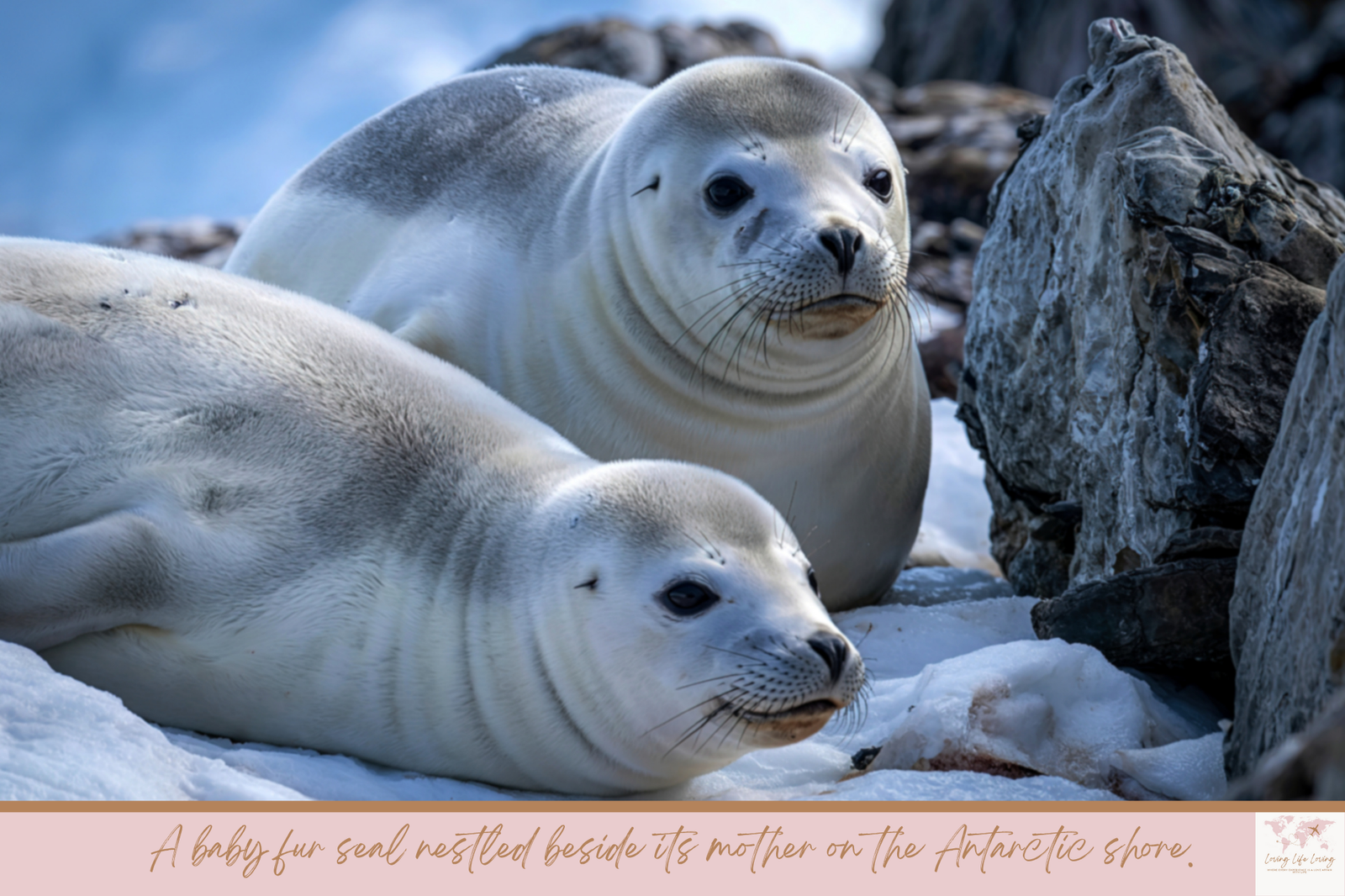
- Elephant seals and fur seals are active along beaches.
- Whale sightings are possible but not yet at peak; this is the season of anticipation rather than abundance.
Ice & Access
The sea ice is more extensive, making certain channels—like the Lemaire or Antarctic Sound—less predictable. For some travellers, this is part of the allure. Ice navigation at this time can feel deeply cinematic, with ships carving first pathways of the season.
Ideal For
Travellers drawn to pristine snowscapes, photography in sharp polar light, and an expedition that leans into the raw edges of early-season exploration.
Mid to Late Summer: Late January – February
By mid-season, the continent shifts into a more dynamic rhythm: ice recedes, wildlife intensifies, and the Southern Ocean becomes a theatre of movement.
Wildlife
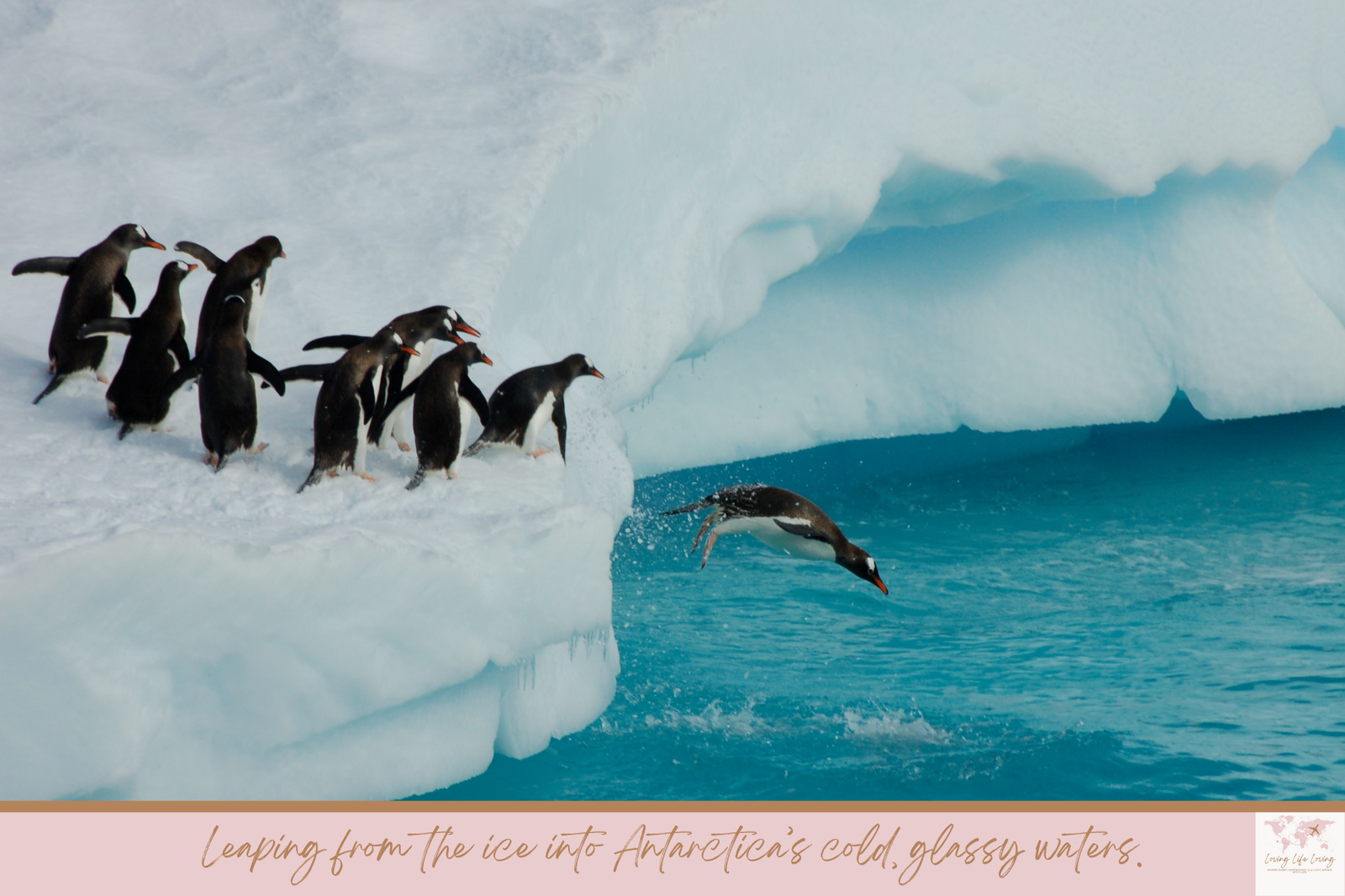
- Penguin chicks have hatched and form chaotic, endearing crèches; this is one of the most intimate periods for colony observation.
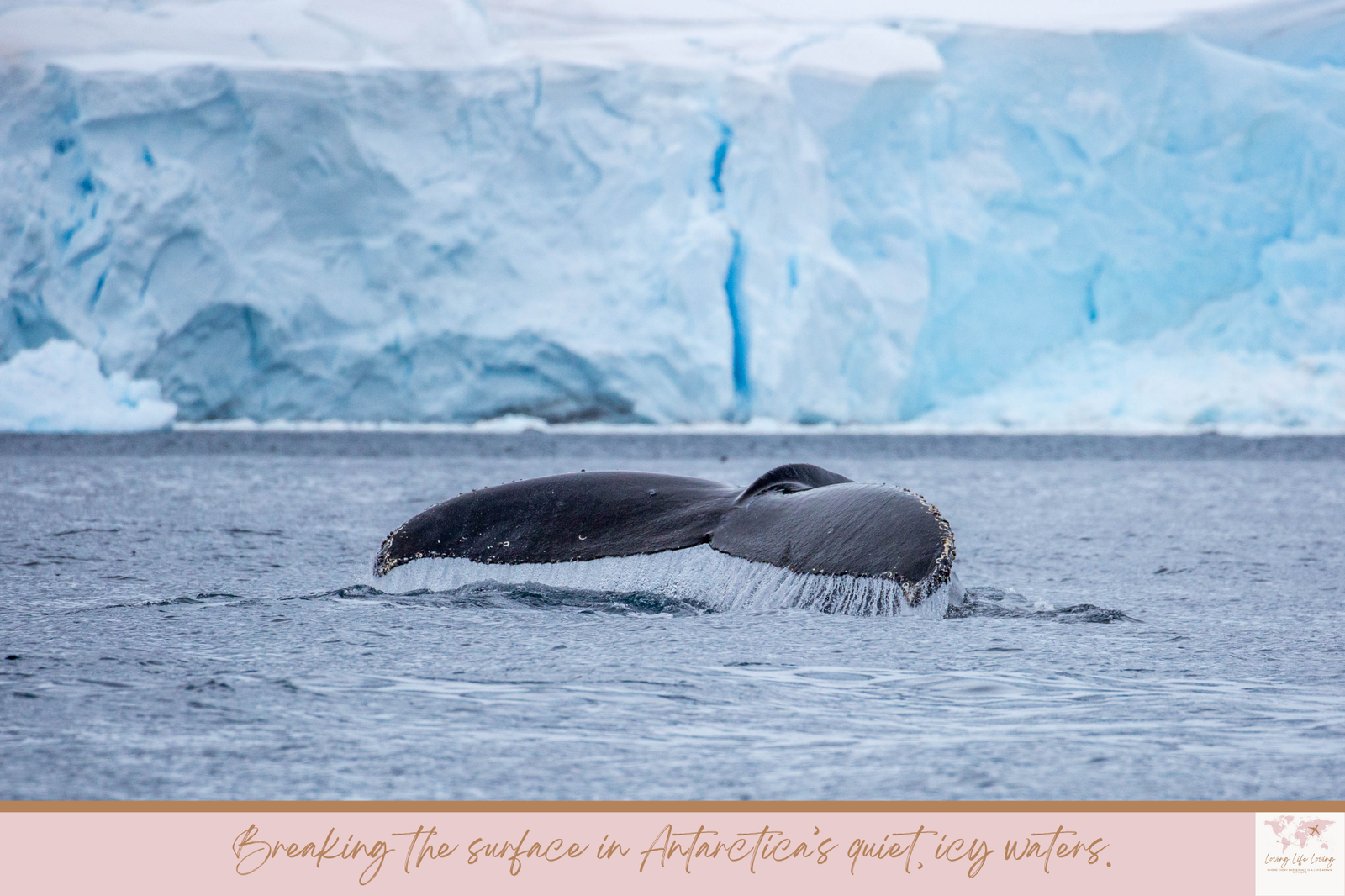
- Humpback whales dominate the waters, bubble-net feeding and breaching close to Zodiacs.
- Leopard seals patrol gentoo and chinstrap nurseries—an extraordinary, if sometimes stark, reminder of Antarctica’s natural order.
Ice & Access
Reduced ice coverage broadens navigational possibilities. Ships can push deeper into remote bays and channels, offering more diverse landing sites. Zodiac cruising becomes especially rewarding, with mirror-like waters and increased marine life.
Ideal For
Travellers seeking abundant wildlife, warmer temperatures, and the greatest chance of accessing varied landscapes and remote landing points.
Late Season: Late February – Early March
A transitional chapter that often surprises travellers with its drama and softness.
Wildlife
- Whale activity remains exceptional; this is the peak for close encounters.
- Penguin colonies begin thinning as chicks fledge—landings can be less crowded and more reflective.
Ice & Atmosphere
Sunset colours deepen, lending a golden, understated palette to the landscape. This is a favourite for photographers interested in mood over brightness.
Ideal For
Travellers who value fewer crowds, evocative light, and the grand finale of whale season.
Choosing Your Season for 2028
Your choice should be shaped by the story you want to bring home.
- For purity of ice and the expedition spirit: early summer.
- For wildlife intensity and navigational flexibility: mid to late summer.
- For atmospheric photography and whale encounters: late season.
When you’re ready to craft the journey—with responsible operators, sustainable routing, and preferred partner perks—The Wanderlust Edit can curate your Antarctica 2028 expedition with the precision such a voyage deserves.
Let’s Keep Exploring
Follow @lovinglife_loving for weekly Latitude Lines deep dives, wildlife insights, expedition intel, and polar guides shaped by real research.
Planning your own 2028 voyage? Share your preferred travel window—early-season ice, mid-summer wildlife, or late-season whales?—in the comments. Or send your past Antarctica photos via DM for a chance to be featured.
Stay close:
- Instagram: @lovinglife_loving — turn on notifications for weekly drops
- Email: hello@lovinglifeloving.com (collabs, tips, press)
- By tagging or messaging us with photos or tips, you grant permission for us to reshare with credit.